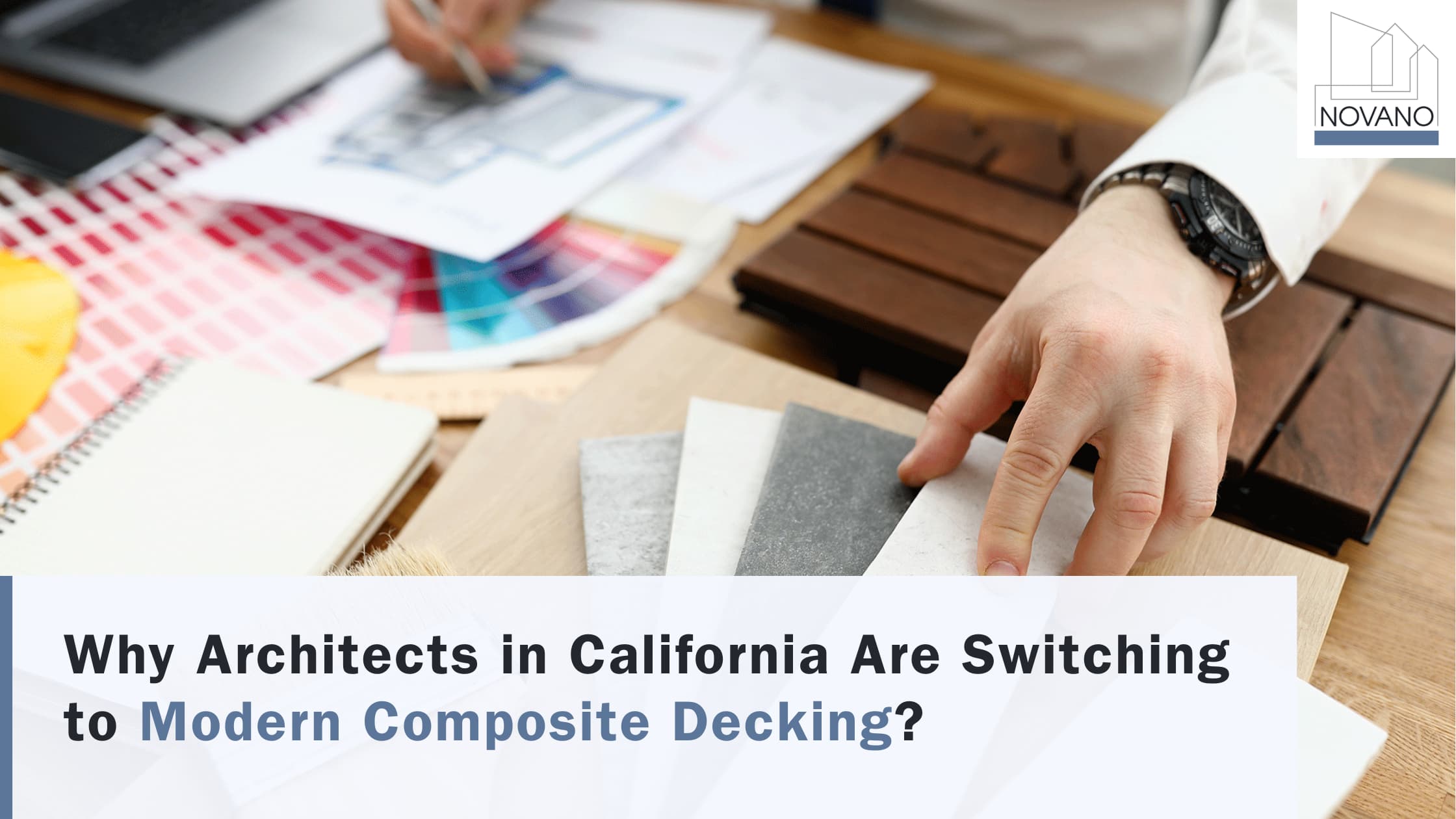
California’s diverse geography and climate present unique challenges for architects. From wildfire-prone mountain areas to coastal communities facing constant salt air and moisture, building materials must withstand these extreme conditions. Architects also navigate strict codes, including fire safety mandates and green building standards, which require sustainable and resilient choices.
Traditional wood, while visually appealing, struggles to keep up with these demands. It can warp, crack, or require frequent upkeep in California’s varied climates. That’s why many professionals are embracing modern composite decking as a durable, fire-rated, and eco-conscious material. Today’s bio-based composites go even further, combining renewable resources with advanced engineering to deliver strength, sustainability, and design flexibility.
Modern composite decking not only withstands the state’s environmental pressures but also offers modern aesthetics, low maintenance, and long-term value for residential, commercial, and public projects.
✓ California’s climate and standards require durable, eco-friendly, and fire-safe materials.
✓ Modern composite decking delivers performance and longevity with little maintenance.
✓ Architects gain design flexibility across residential, commercial, and public projects, using composite building materials.
✓ Novano aligns with LEED standards while maintaining a natural, modern look.
California’s regions face very different pressures that influence material selection:
For architects, modern composite decking provides a practical response to these regional demands. Its resilience across environments means one material can serve multiple project types without compromising on design or durability.
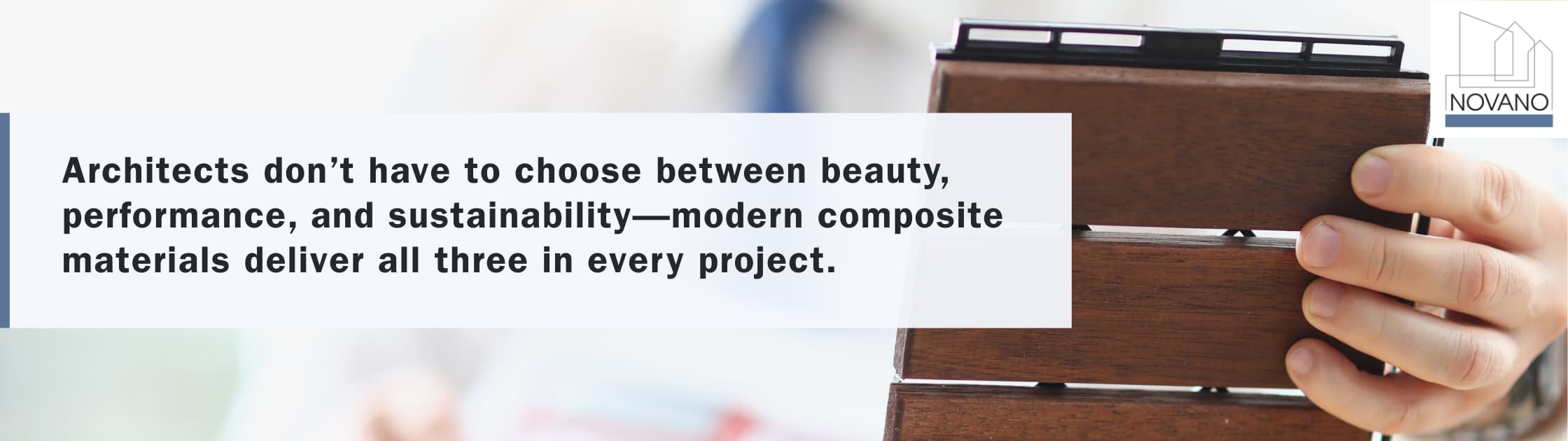
Each part of the state demands specific performance benefits from decking:
These climate-specific needs make composite decking not only a practical solution but also one that improves long-term building performance across California.
California leads the nation in green building policies, and architects must design with compliance in mind.
By integrating modern composites in architecture, architects streamline the path to approval while delivering safe and sustainable designs.
California’s building community is increasingly focused on long-term environmental impact. Clients expect materials that support statewide climate action goals.
Modern composite decking checks all these boxes, making it a natural fit for architects who want to specify sustainable, future-ready products without sacrificing design quality.
Modern composite decking is also aligning with broader architectural trends in California:
This growing adoption highlights how composite decking is no longer niche, it’s quickly becoming a standard across California design sectors.
Architects aren’t just switching to modern composites in general, they are specifying Novano for its unique advantages:
By choosing Novano decking, architects ensure their projects balance performance, compliance, and beauty.

As California faces evolving climate risks, stricter building codes, and client expectations for sustainability, modern composite decking has become the clear choice for architects. It meets performance standards, enhances design flexibility, and aligns with long-term environmental goals.
NOVANO Building Products USA offers architects a trusted source for decking. Explore the Online Shop Now or Get FREE Samples and discover how NOVANO can support your next California design.
It is Class A fire-rated, making it safe for use in wildfire-prone zones and compliant with state requirements.
It resists salt air, humidity, UV rays, and high heat, maintaining performance where wood fails.
Architects can access specs, installation guides, and free samples directly from the online shop: https://novanousa.com/shop/.
lly recyclable, and engineered to resist water, rot, insects, and UV rays, unlike natural wood that requires constant upkeep.
Novano blends recycled rice husks with biobased renewables, creating a strong board without relying on traditional plastics.
Yes. Its recyclable, sustainable composition supports green building certifications and eco-focused specifications.
Error: Contact form not found.